
"coffee tree cultivation"
9000 article(s) found
The cultivation of coffee beans the history of coffee beans the cultivation of raw coffee beans
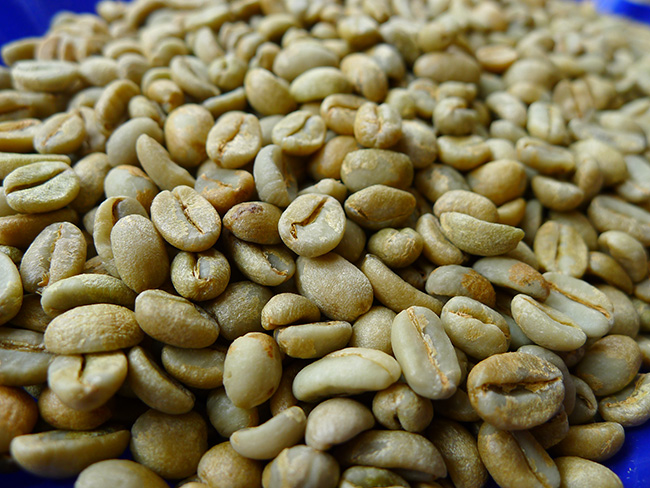
Coffee raw beans are the seeds of coffee trees. It is the wealth hidden in coffee cherries (coffee berries) that people usually call coffee cherries. They are mistakenly called beans because they are similar to the beans we usually see, but they are actually the seeds of coffee. There are usually two flat oval coffee beans in the coffee berries, and a small number of coffee berries

Detailed Analysis of four cultivation Systems of Ethiopian Fine Coffee
According to the following four different modes of production, Ethiopian coffee can be divided into nine major coffee producing areas, including five boutique coffee areas: Sidamo, Yegashefi, Harald, Lim and Lekampidi, and four general commercial bean producing areas: Gemma, Irugbagbo, Tibby and Bekaa. The sun or water washing methods are used in each district, and different treatment methods also affect the flavor.

Cultivation techniques of small Coffee Irrigation and fertilization of Coffee trees
Irrigation of coffee planting areas in Yunnan Province can be divided into rainy season and dry season. Irrigation in the dry season, especially in the flowering period, can ensure the normal growth and flowering of coffee plants, improve the fertility rate, and achieve high yield. Fertilization is one of the key measures to obtain high yield of cultivated coffee. According to the data, for every kilogram of dried beans harvested, coffee trees have to come from the soil.

History of Coffee cultivation in Taiwan how to develop Coffee planting Technology in Taiwan
Professional coffee knowledge exchange more coffee bean information please follow the coffee workshop (Wechat official account cafe_style) A coffee tree bears fruit several times a year. Coffee is the second largest internationally traded commodity in the world, after oil. Coffee is a very important cash crop in many countries, but in Taiwan, you may have heard the name Gukeng Coffee. Trust you

The cultivated varieties of Coffee Tree: small seed and large seed
3. Cultivated varieties (1) small seed species (2) large grain species Coffea belongs to Rubiaceae, Coffea belongs to perennial evergreen shrubs or small trees, there are about 90 species. At present, there are small seed species (Arabian species), medium grain species (Gaffra species) and large grain species (Liberian species) cultivated in Hainan. (1) small seed species: also known as Arabian species, native to Ethiopia, evergreen shrubs. The plant is small, 4cm high and 5m high

Pictures of coffee trees how to cultivate and maintain coffee trees
Pictures of coffee trees, how to cultivate and maintain coffee trees. Coffee tree belongs to the evergreen family of Akanaceae, which is an evergreen shrub or small tree. Mainly grows in the tropical area belongs to the tropical plant, its cold tolerance is poor, is not suitable to grow in the cold climate environment. About 20 ℃ is the most suitable temperature range for coffee trees to grow. Coffee tree, which is a horticultural cash crop in the market, is green.

What are the conditions for growing coffee? What are the cultivation methods of coffee trees? When to fertilize?
Professional coffee knowledge exchange more information about coffee beans Please follow the coffee workshop (Wechat official account cafe_style) what are the fruits and seeds of coffee? The appearance of coffee beans the coffee tree should not need special care, but the sunshine should be sufficient and there should be no lack of water. 1. The basic cultivation environment and management of coffee climate and native coffee are mainly limited by temperature.

Geographical distribution of coffee bean producing areas and planting techniques of coffee trees
Geographical distribution editors the paradise of coffee growth is mostly located in countries with alpine terrain between the Tropic of Cancer. It is native to tropical Africa and is introduced and cultivated in South and Southwest China. [2] the cultivation technology editor requires that the origin of the coffee tree [4] is in Ethiopia in Africa. In botany, the coffee tree belongs to the evergreen tree of the coffee subgenus of Rubiaceae, and the so-called coffee beans are actually

The geographical distribution of coffee trees how would you like your latte coffee foam to be beaten?
Coffee grows mostly in countries with alpine terrain between the Tropic of Cancer and the Tropic of Cancer. It is native to tropical Africa and is introduced and cultivated in South and Southwest China. [2] the cultivation technology editor requires that the origin of the coffee tree [4] is in Ethiopia in Africa. In botany, the coffee tree belongs to the evergreen tree of the coffee subgenus of Rubiaceae, and the so-called coffee bean is actually the fruit of the coffee tree.
Coffee cultivation techniques for cultivating strong seedlings of Coffee
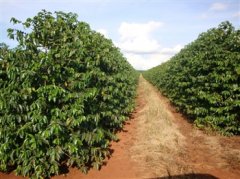
Coffee cultivation techniques 1, cultivate strong coffee seedlings 1, nursery site selection close to water sources, convenient transportation, loose and fertile soil, deep soil layer, well-drained loam or sandy loam, paddy field with pH 66.5 or early nursery land, and close to coffee garden. Turn over the depth of the ground by 0.200. 30 meters, after hoing and removing stones, the ridge moisture width is 1.01. 2 meters, about 10 meters long, and in the soil moisture

How do you grow coffee beans? What kind of planting environment is needed for excellent coffee fruit? How to correct
Professional coffee knowledge exchange more coffee bean information please follow the coffee workshop (Wechat official account cafe_style) how to grow coffee beans? What kind of planting environment is needed for excellent coffee fruit? How to cultivate and plant correctly? Due to the physiological characteristics of coffee trees, there are limited areas in the world that can cultivate coffee beans commercially. It is mainly limited by temperature.

Easy understanding of Coffee beans Coffee Bean cultivation (6)
Coffee is a perennial evergreen shrub or small tree of Rubiaceae. It is a horticultural perennial cash crop with the characteristics of fast growth, high yield, high value and wide market. Wild coffee trees can grow to a height of 5 to 10 meters, but coffee trees planted on the manor are often cut to a height of less than 2 meters in order to increase the amount of fruit and facilitate harvesting. The opposite leaves of coffee trees are long oval.

Cultivation techniques of small-grain coffee: irrigation and fertilization
Fertilization is one of the key measures for high yield of cultivated coffee. According to the data, for every 1 kg of dried beans harvested, coffee trees absorb 70 grams of nitrogen, 14 grams of phosphorus and 76 grams of potassium from the soil.
Technical guidance for the cultivation of small-grain coffee
The cultivation techniques of small-grain coffee planting, land preparation, variety selection, timely planting, shade and so on.

Brazil coffee cultivation industry belongs to what agriculture Brazil coffee tree cultivation of natural factors Introduction
Professional coffee knowledge exchange More coffee bean information Please pay attention to coffee workshop (Weixin Official Accounts cafe_style) Qianjie-Brazil coffee planting introduction When we taste a cup of coffee, you will like her or remember her. It must be because she has a certain unique taste that attracts you. Maybe it is its fresh floral fruit acid, such as yejia; Maybe it is its rich and deep, than

Planting knowledge of Coffee trees guided by cultivation techniques of small Coffee
Small-grain coffee is a shrub of Rubiaceae, which is suitable for planting in areas with an annual average temperature of 19 ℃ ~ 21 ℃ and an altitude of 800-1400m. It has the advantages of fast plant growth, early fruit and high yield. The land preparation should choose the contour platform with deep soil layer, loose and fertile soil, clean wind, sufficient light and shade trees, annual rainfall of 700 to 1600 mm, slope of less than 30 degrees, and row spacing of 2 to 3 meters.

Introduction to the cultivation of Coffee in the Lemon Tree Manor of Nicaragua in Central America
Java is still cultivated in Java at present, but because of its low yield and poor disease resistance, many farms have changed to new varieties. From the appearance, the traditional Java bean type is quite similar to Typica species, generally seen Java bean type is short and slender (that is, short berry-shaped), while long grain (long berry) Java species is even more rare. In addition to the rarity of variety and appearance

The natural environment in which coffee trees grow. Planting conditions of coffee trees.
In botany, coffee trees belong to the evergreen trees of the subgenus Rubiaceae, and coffee beans, commonly known as coffee beans, are actually the seeds of the fruit of coffee trees, just because they are shaped like beans, so they are called coffee beans. Climate is the decisive factor for coffee cultivation. Coffee trees are only suitable for growing in the tropics or subtropics, so the zone between latitude 25 degrees south and north is the most suitable for growing coffee. And this...

The process of picking from Coffee Tree to Coffee Fruit and beans
Coffee Tree introduction in fact, the Arabs began to grow coffee in 525 BC, and chewing fried coffee beans became popular in the Arab region. In 890 AD, Arab merchants sold coffee beans to Yemen, and Yemenis made coffee beans into drinks for the first time. In the 15th century, coffee was introduced into Europe, Asia and soon into America. By the 18th century, the global tropics and subfever

Cultivation techniques of small-grain coffee: irrigation and fertilization
Irrigation of coffee planting areas in Yunnan Province can be divided into rainy season and dry season. Irrigation in the dry season, especially in the flowering period, can ensure the normal growth and flowering of coffee plants, improve the fertility rate, and achieve high yield. Fertilization is one of the key measures to obtain high yield of cultivated coffee. According to the data, for every kilogram of dried beans harvested, coffee trees have to come from the soil.